your essential bathroom and ensuite
renovation guide
From costs and consents to products and planning, here's everything you need to know before starting your bathroom renovation.
What should you know before renovating your bathroom?
A bathroom or ensuite gets plenty of use, so when it’s tired, cramped or no longer working for your household, a renovation can make a real difference. It’s a chance to improve the layout, storage and comfort of the space, while choosing finishes that suit your home and the way you live. Bathroom renovations involve several moving parts, so have a think about the following:
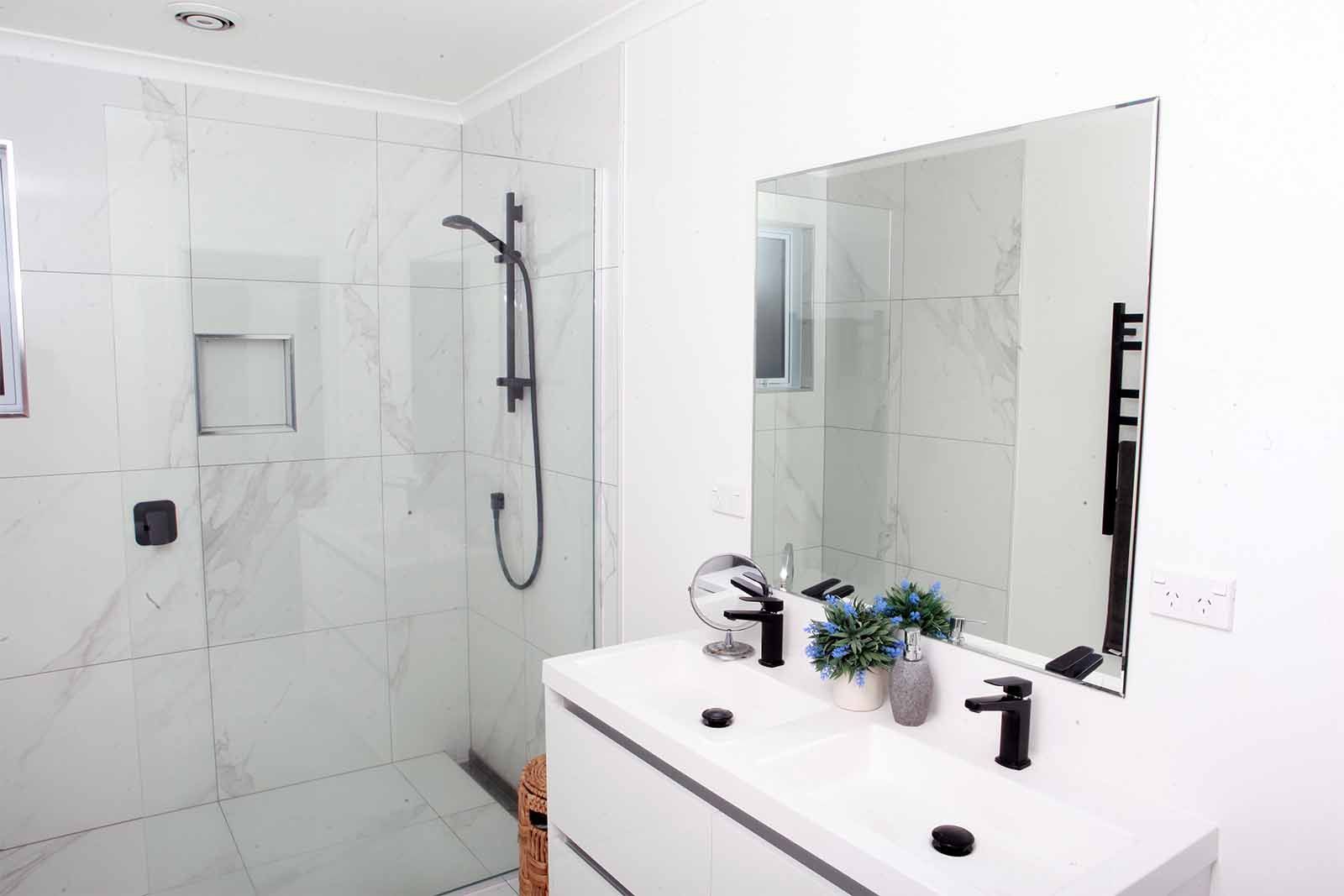
How much does a bathroom renovation cost in New Zealand?
A bathroom renovation in New Zealand typically costs between $18,000 and $40,000+, depending on the size of the room, the complexity of the work and the products and finishes you choose.
The level of finish can make a significant difference. A standard shower enclosure may cost around $700, while a fully tiled, frameless glass shower can exceed $3,000. Flooring is another example: quality vinyl starts from around $85 per square metre, compared with approximately $250 per square metre for tiled flooring with a waterproof membrane.
Other factors that affect the price include whether the layout is changing, plumbing or electrical upgrades, the quality of fixtures and tapware, how much tiling is required, and any structural work or repairs uncovered during demolition. These figures are a guide rather than a quote for your home.
Check out our latest bathroom renovation cost article for a more comprehensive breakdown.
What is usually the most expensive part of a bathroom renovation?
Materials, fixtures and fittings often make up the largest part of the budget. Tiled showers, frameless glass, designer tapware, custom vanities, feature lighting and high-end tiles can all add to the total. Specialist trades are usually another major cost, as the work may involve plumbers, electricians, waterproofers and tilers.
There’s more to a renovation builder’s role than the work you see on site. Coordinating trades, managing the sequence of work and making sure the project meets New Zealand building requirements are all part of delivering a well-finished bathroom.


What is the cheapest way to renovate a bathroom?
Keeping the existing layout and leaving the toilet, shower and vanity in their current positions is often one of the most effective ways to manage costs. Moving plumbing can mean extra plumbing, building and waterproofing work, so it’s worth weighing up whether a new layout will make enough difference to justify the added expense.
Material choices matter too. Vinyl flooring and tiled flooring can both perform well when installed correctly, but they come at different price points. The goal is to choose where to spend and where to simplify, without compromising on waterproofing, durability or workmanship.
How can I save money on a bathroom renovation?
Make the key decisions early and prioritise the things that matter most to you. Keeping the existing plumbing layout can help reduce costs, while choosing products that offer good practical performance without premium finishes can free up budget for other parts of the room.
Waterproofing and installation quality should come before cosmetic upgrades. A bathroom is a high-use, high-moisture space, and low-quality products or poor workmanship can lead to leaks, premature wear and expensive repairs. A bathroom renovation is generally expected to last around 15–20 years or more, so spending wisely matters more than simply choosing the cheapest option.

How much contingency should I allow for when renovating a bathroom?
A carefully planned renovation should be priced as clearly as possible before work begins. However, bathrooms are a common place to uncover hidden problems once demolition starts, particularly water damage, rot or failed waterproofing behind existing fixtures and wall linings.
Rather than relying on a blanket contingency figure, an experienced builder can identify likely risks during the initial site assessment and discuss an informed range for potential additional costs. Some issues can only be confirmed once the existing surfaces are removed, but understanding the risks early helps keep the budget more transparent.
Is renovating a bathroom worth the money?
For many homeowners, yes. A well-designed bathroom can improve everyday comfort, storage and functionality, while making the room feel calmer and more enjoyable to use. It can also improve the overall presentation of your home, whether you’re planning to stay for years or sell in the future.
A quality bathroom renovation can add appeal and value, but the result depends on the quality of the work, the design choices and how well the bathroom suits the rest of the property. The most worthwhile improvements are usually the ones that make the space work better as well as look good.
What is the best layout for a small bathroom?
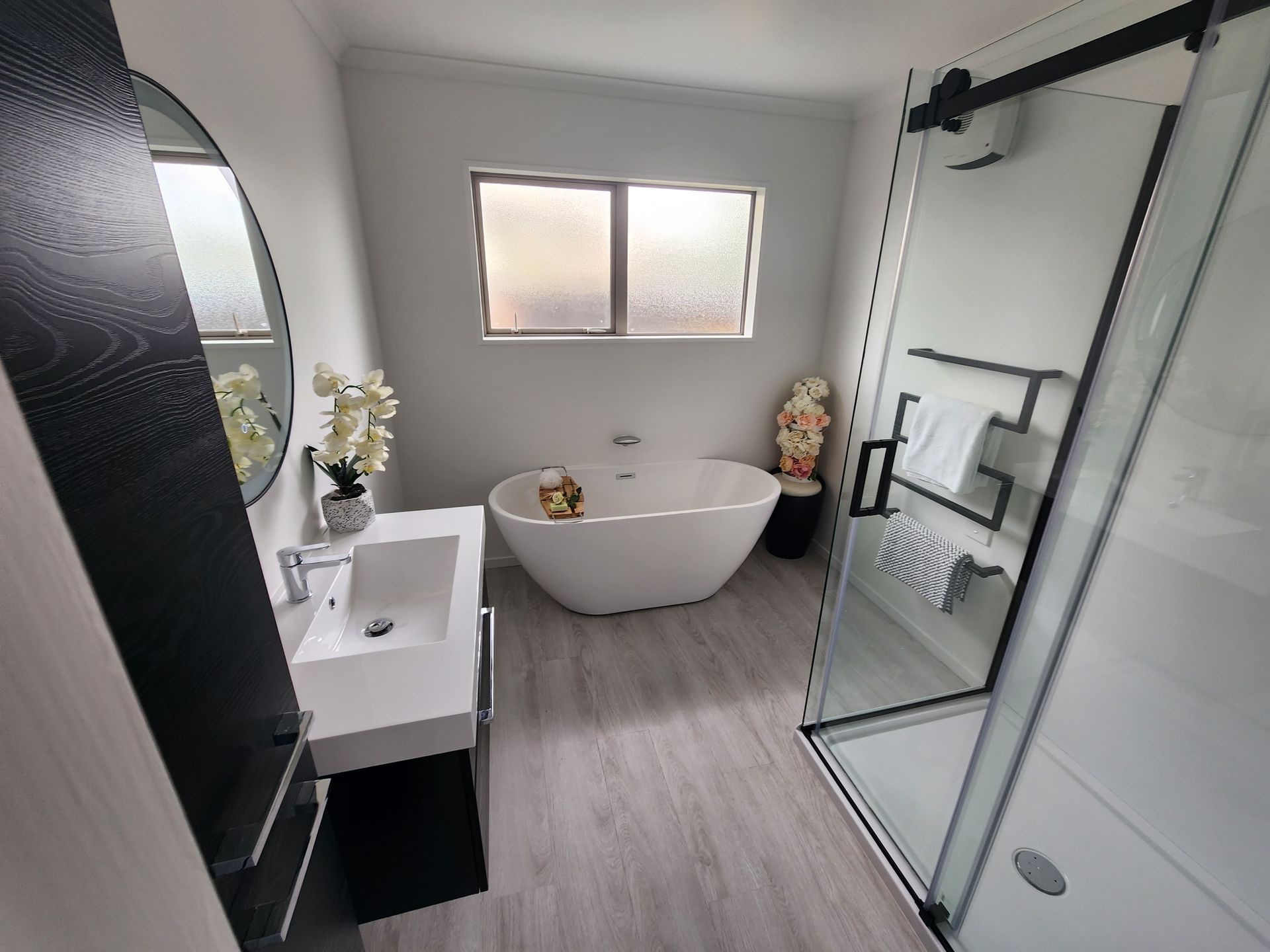
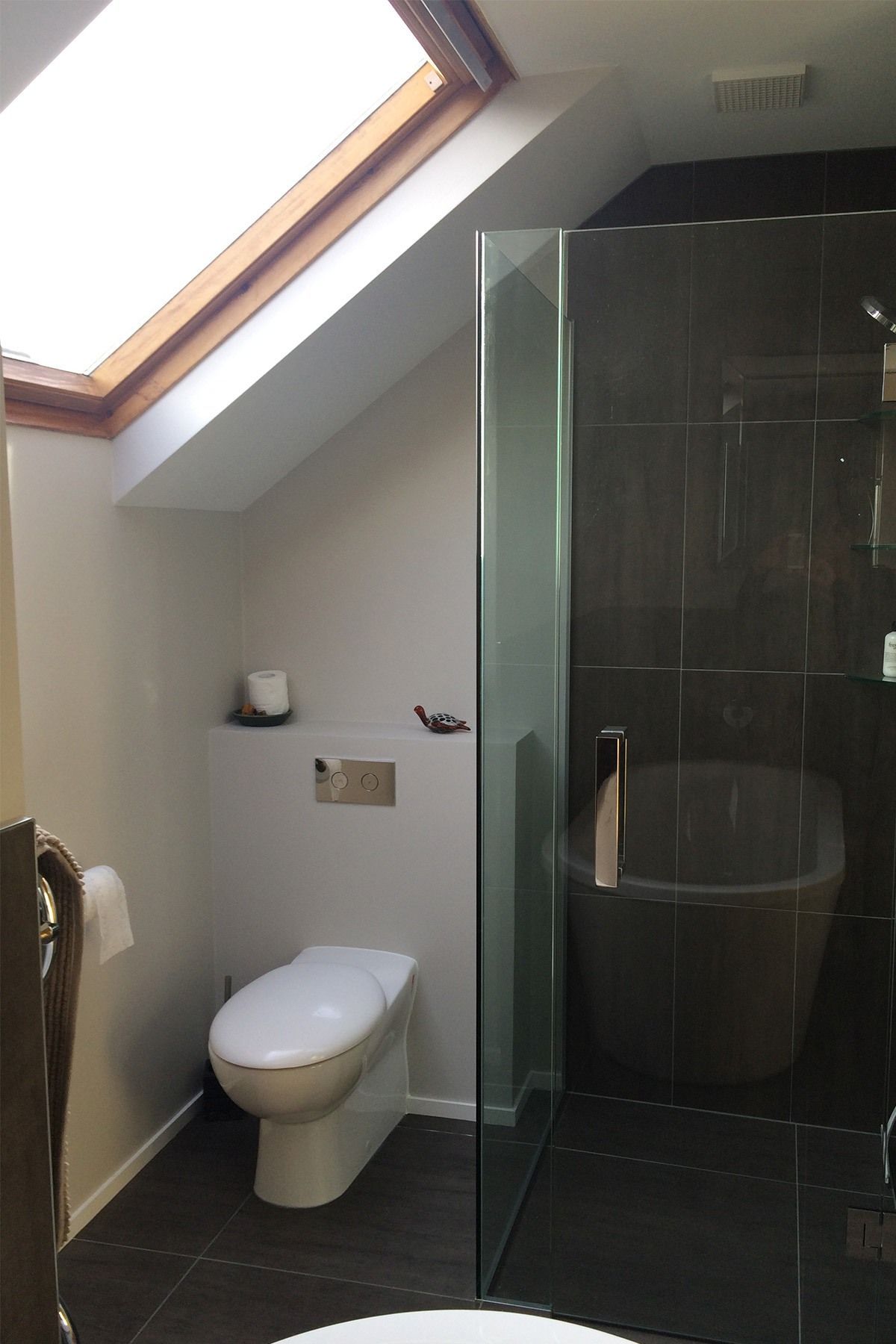
In a small bathroom, the aim is to make the best use of the available space without making it feel crowded. The choice between a separate shower and a shower-over-bath often comes down to how the household uses the room and what will fit comfortably.
Window placement, natural light, privacy and storage all need to be considered together. Storage should be easy to reach without taking up too much floor space or getting in the way of the toilet, vanity or shower. A well-planned layout can make a compact bathroom more practical without trying to squeeze too much into it.
Should I keep my existing bathroom layout?
Keeping the layout is usually more cost-effective because it avoids relocating plumbing and drainage. If the current arrangement works reasonably well, updating the fixtures and finishes may be enough to improve the room.
That said, cost shouldn’t be the only consideration. You’ll likely use the bathroom for the next 15–20 years, so a small layout change may be worth the extra investment if it makes the space much more comfortable or easier to use.
Moving plumbing adds cost, but it can open up better design options, improve the flow of the room and make better use of the available space. If relocating the shower, vanity or toilet will solve a genuine problem with the layout, it may be worthwhile over the life of the bathroom.
All plumbing work must be carried out by a licensed plumber and comply with New Zealand Building Code requirements.
Should I have a shower or a bath?
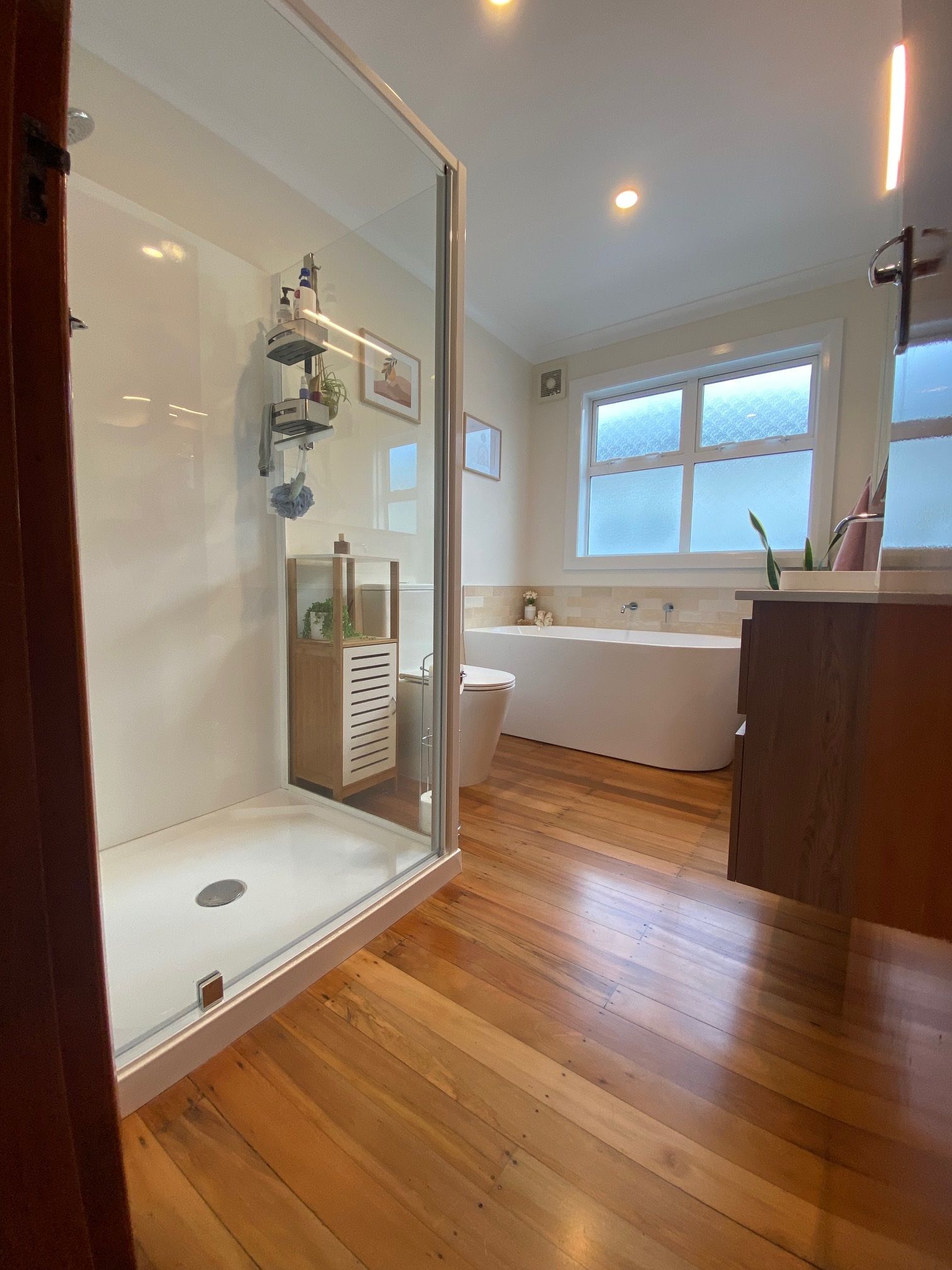
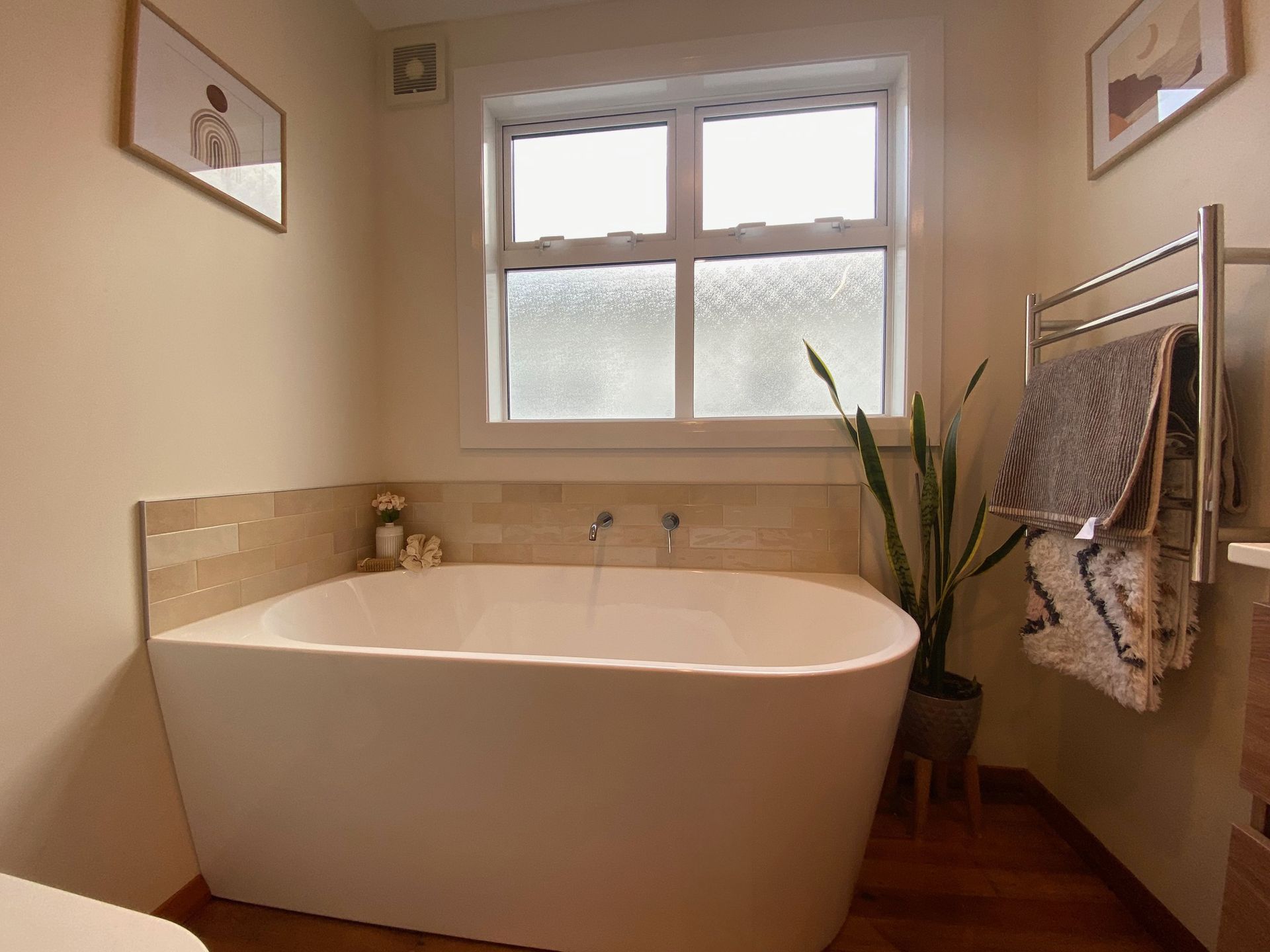
This depends on the space you have and who will be using the bathroom. If there’s room, having a separate shower and bath offers flexibility for households with young children, as well as people who may want different bathing options later in life.
In a smaller room, a shower-over-bath can make better use of the available floor area. Modern products make it possible to achieve a practical, considered design in compact spaces, so think about your everyday needs before deciding.
How do I maximise storage in a small bathroom?
Use the available wall space where you can. Recessed cabinets and vertical tower units can provide useful storage without taking up much floor area. A wall-hung vanity can also make the room feel lighter and more open, although it may offer less built-in storage than a floor-mounted unit.
Think about what you need to keep close at hand and plan storage around those everyday items. The aim is to make the bathroom easy to use and keep tidy, without overcrowding the space.

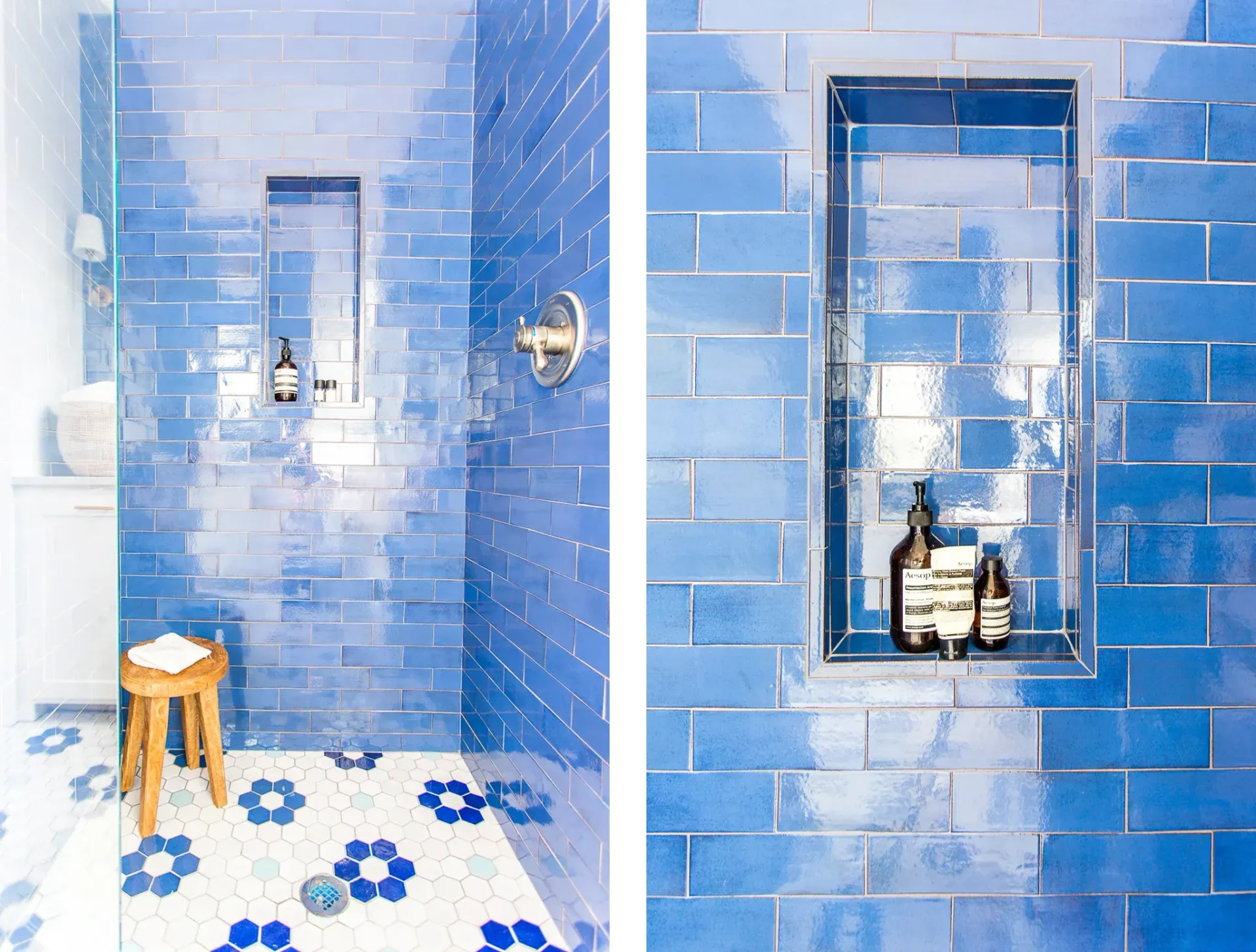
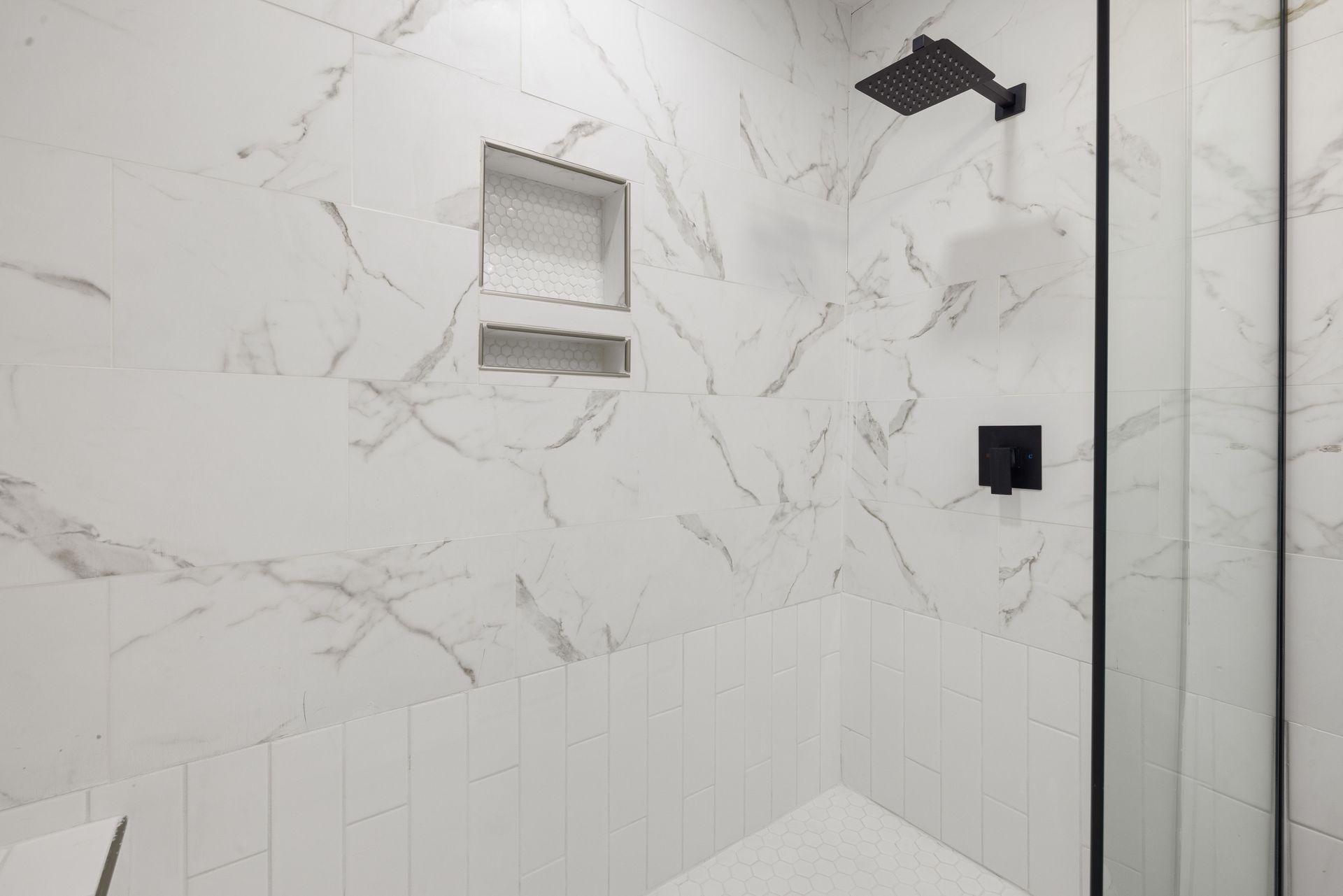
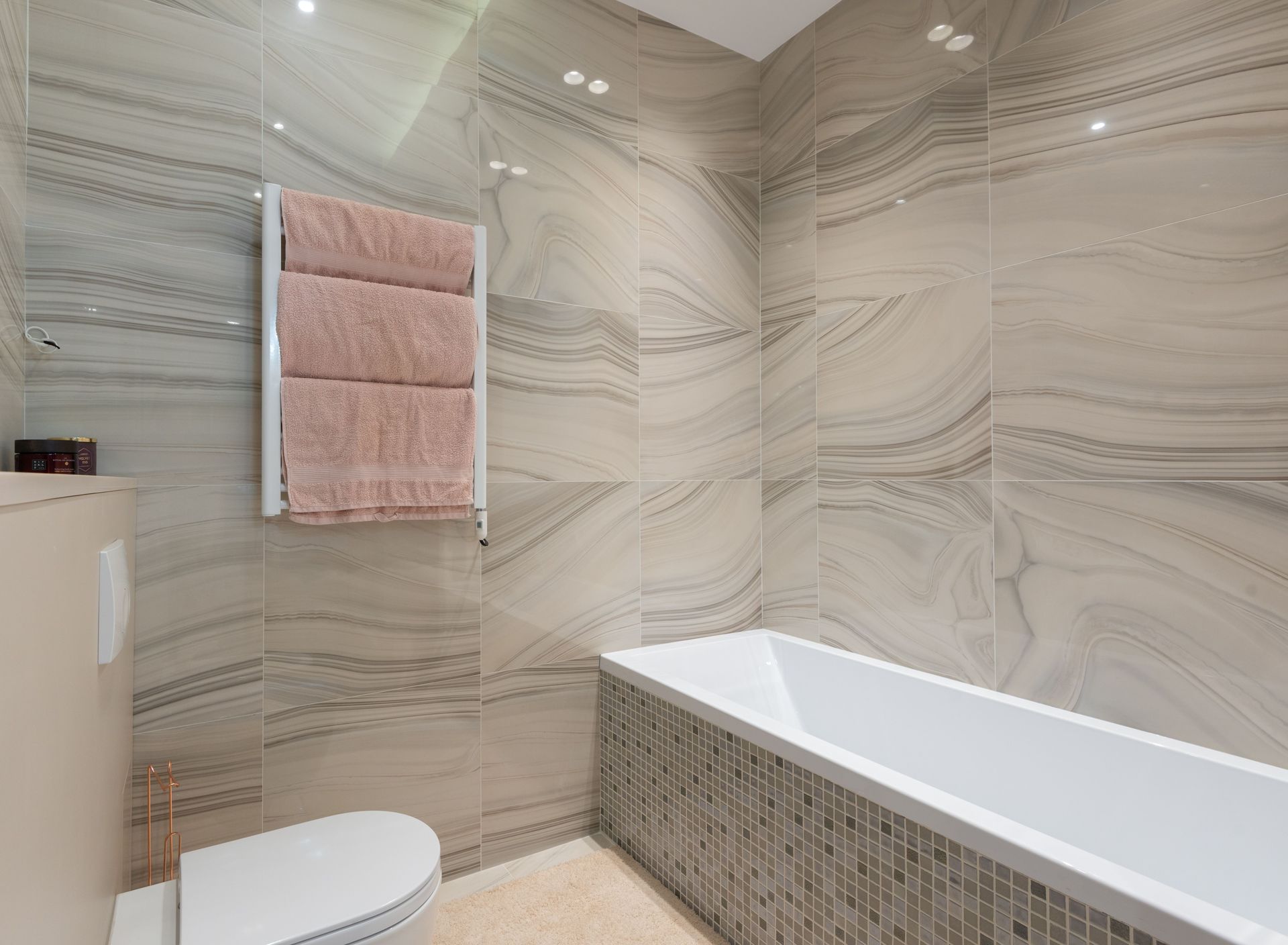
What tiles are best for a bathroom?
Most bathroom tiles can perform well when they’re installed correctly, so the best choice depends on your style, budget and how much maintenance you’re comfortable with. Tile size is worth thinking about too.
Smaller tiles create more grout lines, which can mean more installation labour and more grout to maintain over time. Larger-format tiles generally have fewer joints and can create a cleaner look, although the right option will depend on the surfaces and design of your bathroom.
Can you tile over existing bathroom tiles?
Although it’s physically possible to tile over existing tiles, it’s generally not recommended for a bathroom renovation. The extra layer adds weight, can conceal movement or problems with the existing surface, and makes it harder to check or repair the waterproofing underneath.
Removing the old tiles allows the base to be properly assessed and prepared before new finishes and waterproofing are installed. That can help provide a more reliable result over the long term.
What bathroom trends should I avoid?
There’s no single list of trends you need to avoid. The main thing is to think about how long you plan to stay in the home and whether resale appeal is important to you.
If you’re renovating with future buyers in mind, neutral colours and classic finishes can be a safe foundation, while very bold or highly specific design choices may appeal to a narrower group of people. If you’re planning to stay for years, there’s more room to make choices that reflect your own taste.
Do I need building consent for a bathroom renovation in New Zealand?
Not every bathroom renovation requires building consent. A like-for-like update that replaces fixtures and finishes without changing the structure may be able to proceed without consent. Requirements depend on the actual scope of work, so it’s important to check before work begins.
Structural changes, changes to walls or door and window openings, adding new fixtures, or extending the bathroom footprint may trigger consent requirements. An experienced renovation builder should assess the proposed work early and explain what approvals are needed.
Does moving plumbing or a toilet require consent?
The guide notes that moving plumbing within the existing bathroom footprint generally does not require building consent if you’re not increasing the number of fixtures. This can include relocating a shower, vanity or toilet within the same space.
Even where consent isn’t required, the work still needs to be completed by a licensed professional and comply with New Zealand requirements. Relocating a toilet, for example, involves drainage, fall and plumbing considerations that need to be handled correctly.
Does replacing a shower require consent?
Replacing an existing shower with a similar unit generally does not require building consent when the plumbing layout and bathroom footprint stay the same. If the replacement involves structural changes or significant layout modifications, consent may be required. Have the details checked during planning.
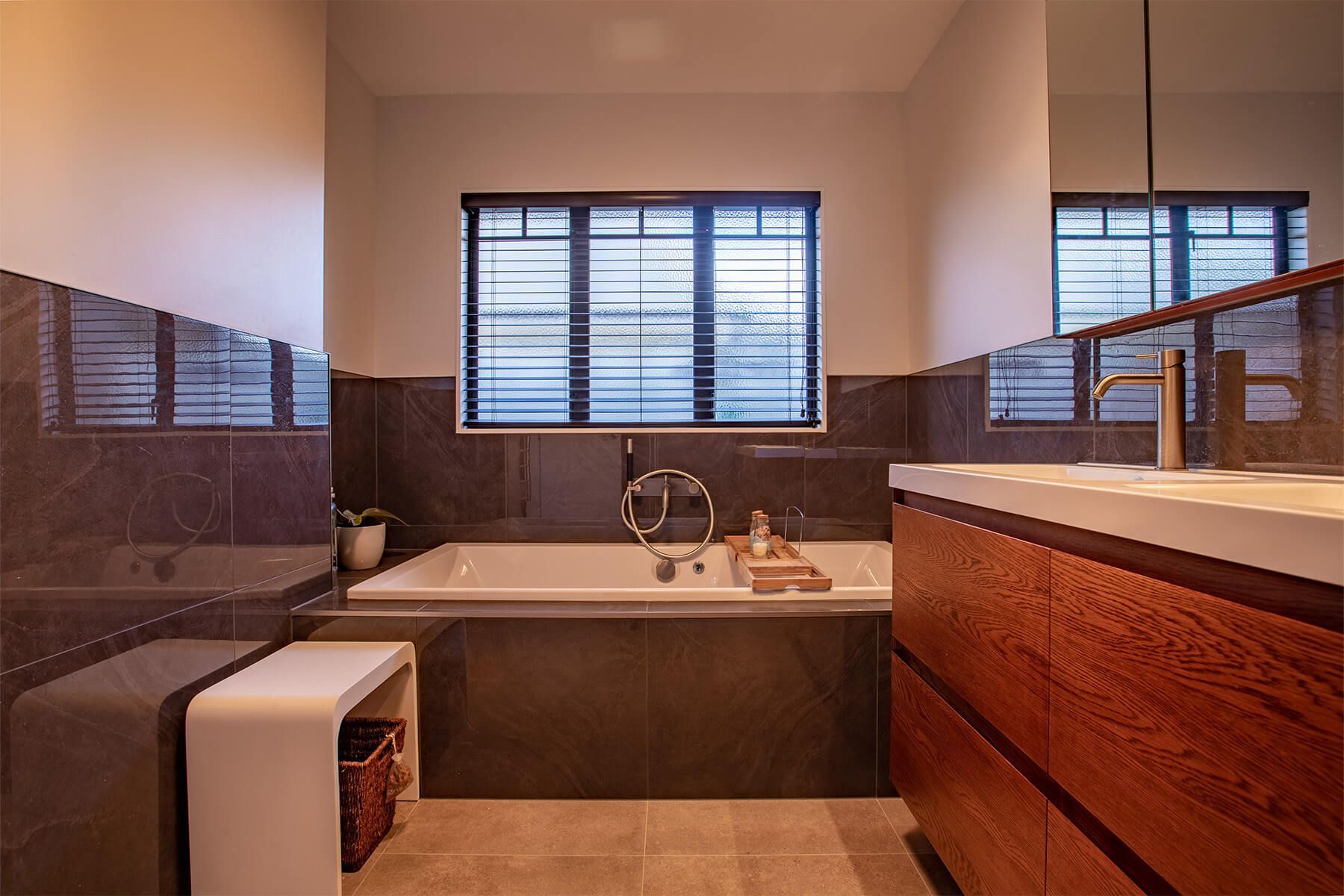
Does a bathroom need to be waterproofed?
Yes. Waterproofing is critical in wet areas such as showers and around baths because it helps protect the structure of your home from moisture damage. In a tiled shower, the tiles and grout alone do not create a fully waterproof surface. A correctly installed membrane beneath the finished surface helps contain water and direct it safely away.
How long does bathroom waterproofing take?
Waterproofing typically takes around two to three days, depending on the size and complexity of the bathroom. This includes preparing the surfaces, applying the membrane and allowing the required curing time before tiling starts. That curing time is important to help the waterproofing system do its job properly.
What happens if waterproofing fails?
If bathroom waterproofing fails, the affected tiles and linings may need to be removed so the system can be repaired or replaced. If moisture has travelled behind the surface, wall linings may also need replacing.
Leaks that go unnoticed for a long time can allow moisture to spread into framing and flooring, causing timber to deteriorate and repairs to become more extensive. Getting a suspected leak assessed promptly can help limit the damage.
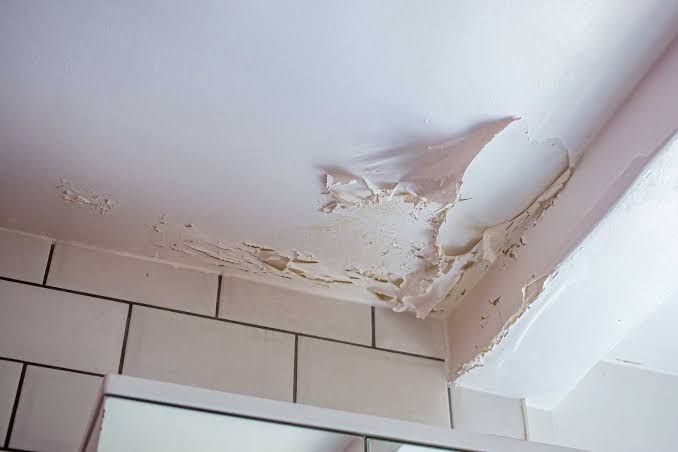
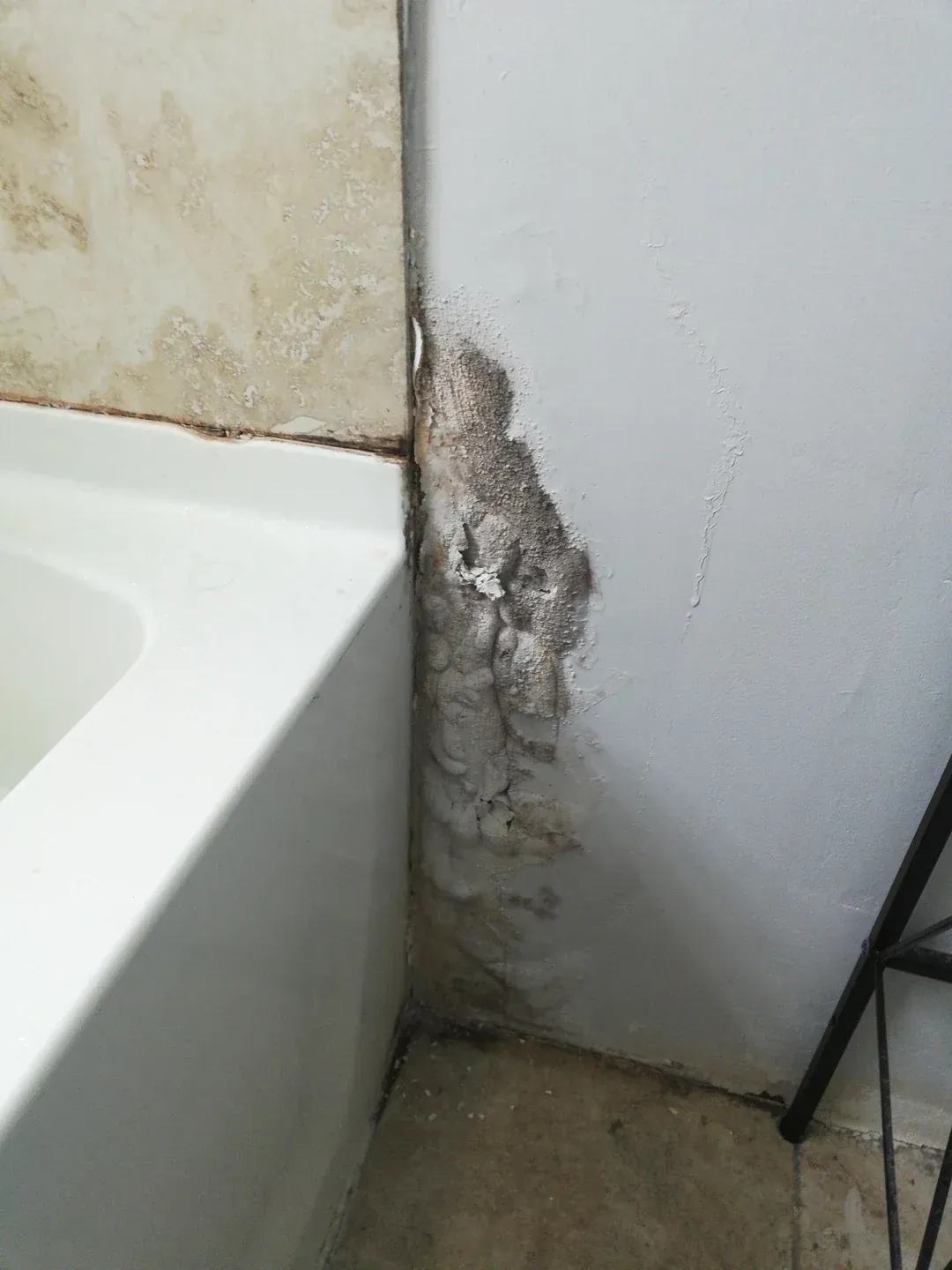
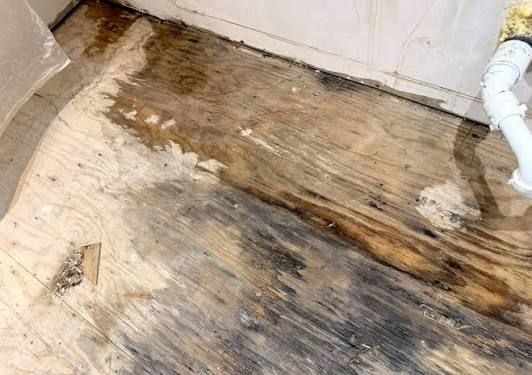
How do I know if my bathroom has water damage?
Some signs to look out for include:
- Soft or spongy flooring underfoot
- Loose, cracked or lifting tiles
- Mould or a persistent damp smell
- Bubbling or staining on paint or wall linings
- Swollen skirting boards or door frames
- Discolouration around showers, vanities or baths
Water damage isn’t always visible on the surface. Sometimes it only becomes clear once the affected area is opened up during renovation work. If you suspect there’s a problem, arrange a professional assessment.

How long does a bathroom renovation take in New Zealand?
A typical bathroom renovation takes around five to 15 working days, or roughly two to three weeks of onsite work, when the layout stays within the existing footprint. The timeframe depends on the work involved and the finishes selected.
Extensive tiling can add around three days, while plastering and painting may take another two to three days depending on drying and finishing requirements. Structural changes or a new layout can extend the schedule. If building consent is required, council processing may add around two to five weeks, depending on the project and local authority timeframes.
What order should you renovate a bathroom?
The exact sequence depends on the project, but a typical bathroom renovation includes:
- Demolition and removal of existing fixtures and finishes
- Plumbing and electrical rough-in work
- Surface preparation and waterproofing
- Tiling
- Painting
- Installation of fixtures and fittings
- Final connections, checks and finishing
Where possible, the team may plan the work to keep the toilet available for as long as possible. It may need to be temporarily removed and reinstalled during flooring or waterproofing work, so it’s worth discussing this before the renovation starts.
How long will I be without a bathroom during a renovation?
Most homeowners are without a functional bathroom for around five to 15 working days. Tiled bathrooms can take longer because of installation and curing time, while simpler finishes such as vinyl flooring may reduce the downtime.
Ask your builder for a schedule that explains when the bathroom will be out of action and when key fixtures are expected to be usable again. This is particularly important if it’s the only bathroom in your home.
Can I live in my house during a bathroom renovation?
In most cases, yes. If you have another bathroom, you can usually continue living at home and use the remaining facilities while the work is underway. If you’re renovating your only bathroom, you’ll need to make temporary arrangements.
Talk through the practical details with your renovation company before work begins. A clear schedule and regular communication help you plan around the disruption and understand what to expect at each stage.
Can I renovate my bathroom in stages?
It’s possible to renovate a bathroom in stages, but it often costs more overall. Repeated site setup and trade visits can add expense, and the bathroom may remain partly unfinished for longer.
For many homeowners, completing the work as one planned project gives a quicker turnaround and a more cohesive result. If staging is necessary to suit your budget, discuss the best way to organise the work before committing.
Should I renovate my bathroom before selling my house?
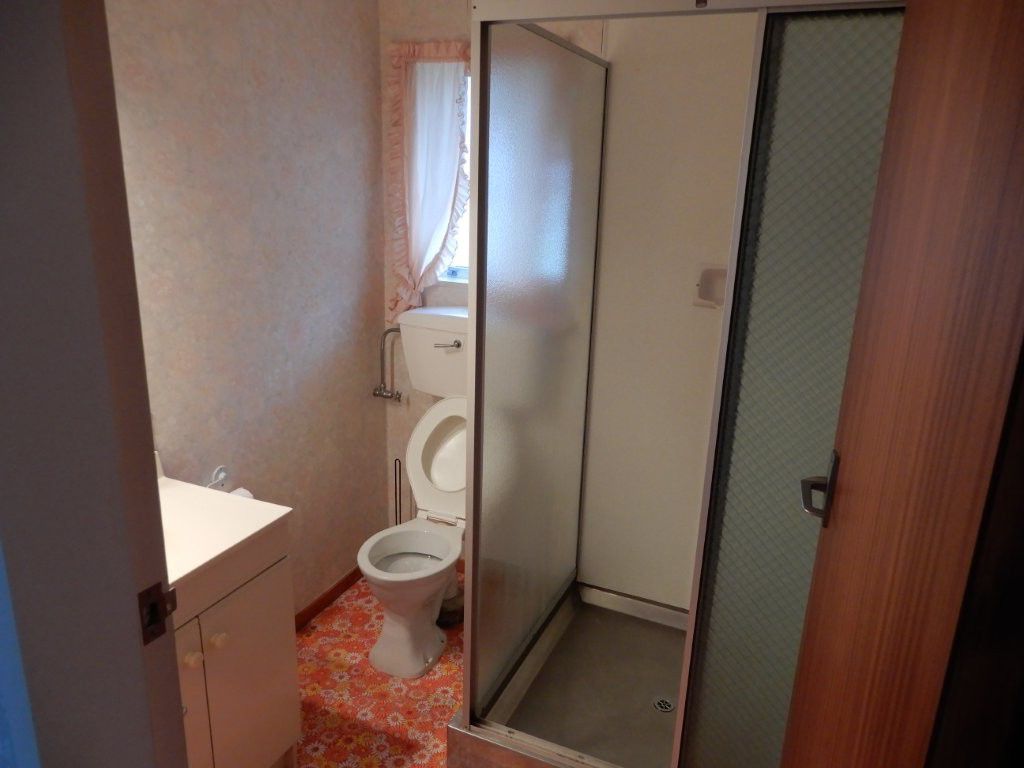
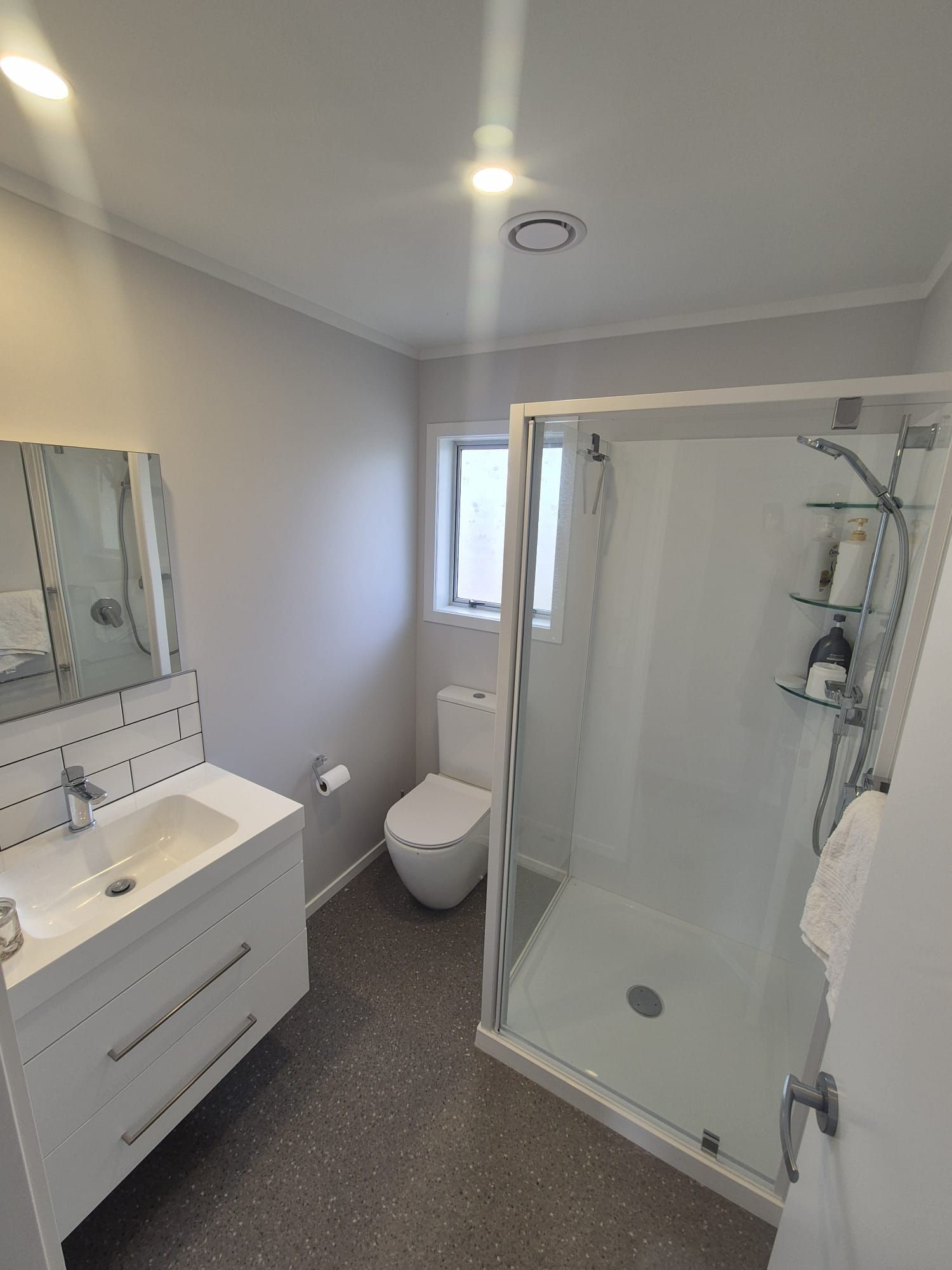
It depends on the condition of the bathroom and how it may affect a buyer’s impression of the home. If it’s dated, damaged or poorly presented, a renovation could improve appeal and reduce the likelihood of buyers negotiating over it.
Before spending the money, consider talking to a local real estate agent about what buyers in your area are likely to value. If a renovation is unlikely to deliver a worthwhile return, it may make more sense to leave the bathroom as it is and let the next owner make their own choices.
Will I overcapitalise by renovating my bathroom?
Overcapitalising means spending more on a property than you’re likely to recover through its value. A bathroom renovation is less likely to create that problem when the budget, design and finish suit the value of the home and the surrounding market.
Highly bespoke or luxury finishes that go well beyond comparable homes can increase the risk. If you plan to stay for 10 years or more, resale value may be less important than having a bathroom that works well for your household and makes everyday life more comfortable.
What bathroom renovation upgrades add the most value?
The most useful upgrades tend to improve how the bathroom works as well as how it looks. Where space allows, a separate shower and bath can offer flexibility. Well-planned storage, a practical vanity, good lighting and a layout that feels open and easy to move around can all contribute to long-term usability.
Comfort matters too. Natural light, considered finishes and lighting that suits different times of day can help create a bathroom you enjoy using. The best upgrades are the ones that suit your household now and will continue to make sense over time.
How long should a good bathroom renovation last?
The guide describes a bathroom renovation as a long-term investment, typically expected to serve a household for 15–20 years or more. Choosing durable products, ensuring waterproofing is installed correctly and using experienced tradespeople all help support long-term performance.
It’s worth considering how your needs may change over that time, rather than making every decision around your current routine.